
Category: literacy
-
The Silent Crisis: Why So Many Middle Schoolers Struggle with Reading (And What We Can Do About It)

Hey there, fellow reading enthusiasts! If you’ve spent any time around middle schoolers, you’ve probably noticed something familiar: many students seem to have a complicated relationship with reading. Some devour books like it’s their job. Others avoid it whenever possible. And if you’re a teacher or parent, you’ve likely seen…
-
Why Reading Strategies Aren’t Enough for True Comprehension
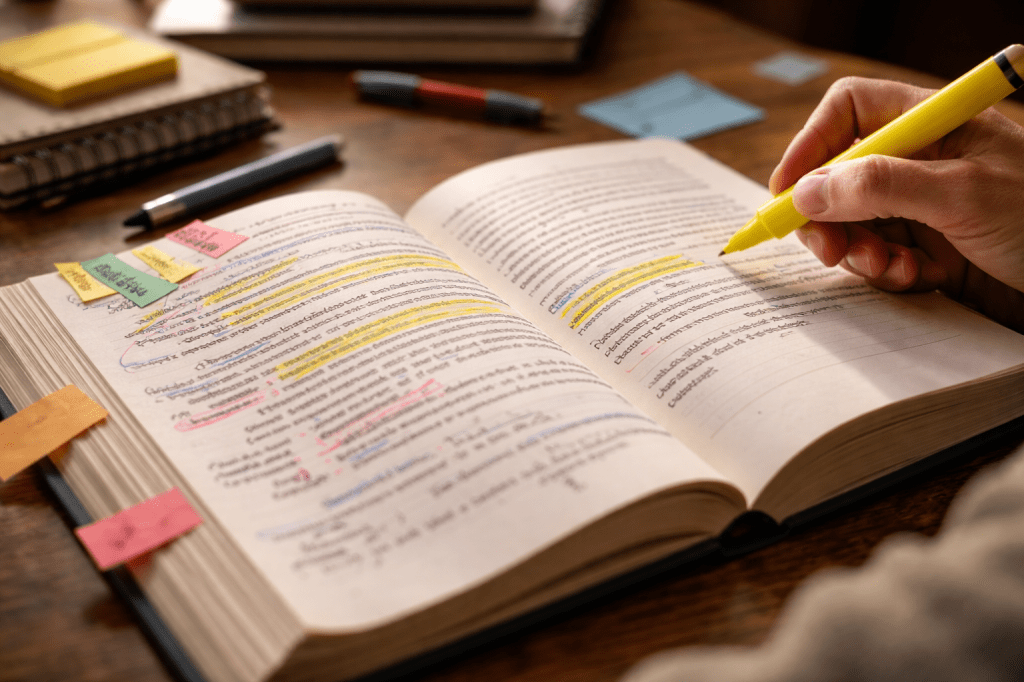
A student reads a passage about the Industrial Revolution. She’s been taught the moves: annotate as you go, look for the main idea, make inferences, summarize what you’ve read. She does all of it. She circles words, underlines sentences, writes a note in the margin that says important. She follows…
-
Why Metacognition Isn’t Enough for Struggling Readers

Metacognitive strategies are vital for reading comprehension, yet many middle school students struggle despite using these techniques. This is often due to inefficient word recognition, which causes cognitive overload. Effective reading requires automatic word recognition and language comprehension, suggesting interventions should prioritize foundational skills over additional strategies.
-
Disciplinary Literacy: Every Teacher’s Role
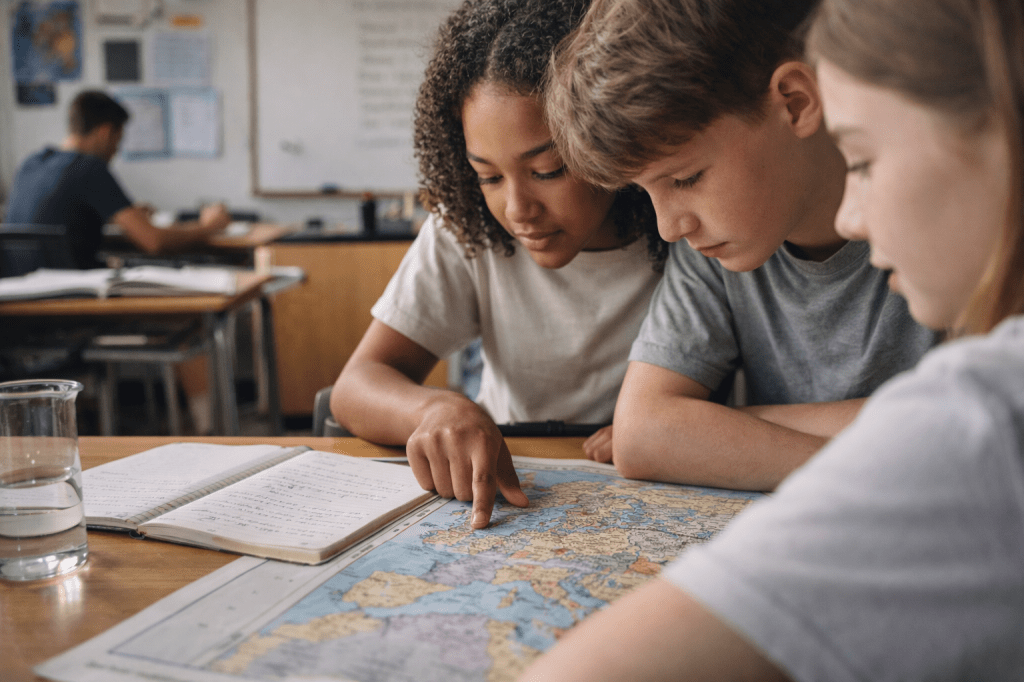
I recently had the chance to hear Doug Fisher and Nancy Frey speak about adolescent literacy. I’ve encountered their work before, but hearing them present it directly clarified something I’d been circling around in my own thinking. It also sharpened a distinction that I think gets lost in a lot…
-
Understanding Reading Fluency: It’s Not About Speed

Picture two students finishing the same reading passage. The first moves through it quickly, her eyes tracking, pages turning, done in three minutes. Ask her what it was about, and she goes quiet. Something about cities, maybe? She’s not sure. The second reads slowly. He rereads sentences. He loses the…
-
Why Some Readers Guess— and What That Actually Tells Us About Their Brains
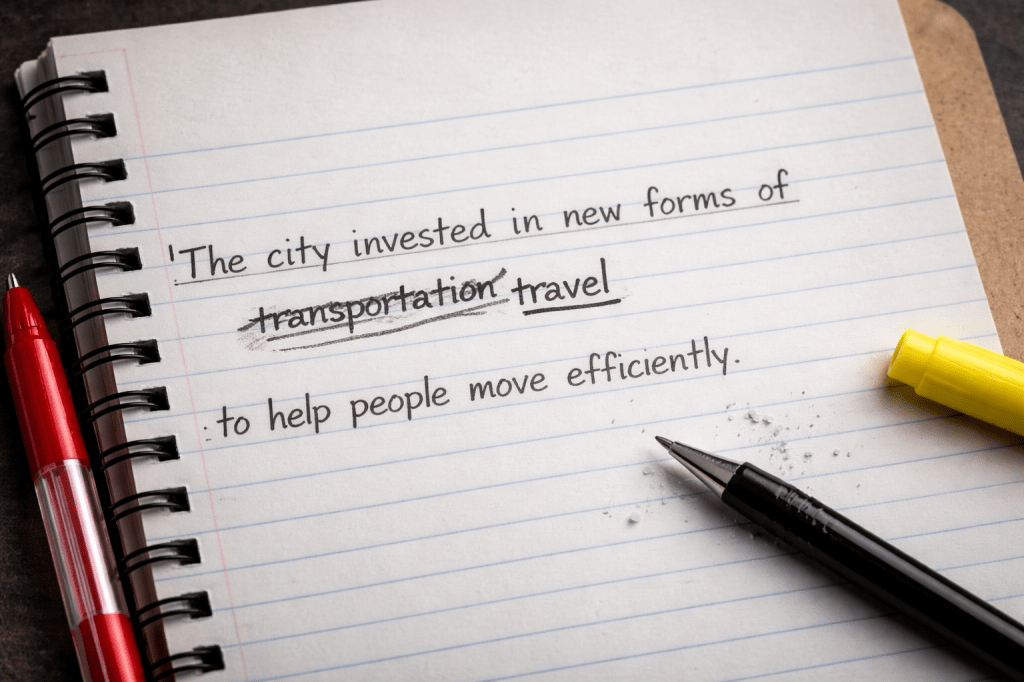
That moment a student says “travel” for “transportation” isn’t careless. It’s a window into something much more interesting. An essay on compensatory reading strategies in adolescence Picture a sixth grader—confident, on task, reading aloud from a science textbook. The passage is about urban infrastructure. She moves through the sentences at…
-
Decoding the Teenage Brain: How Reading Changes in Adolescence

The teenage brain is a work in progress. It’s undergoing major rewiring, particularly in the prefrontal cortex, the area responsible for decision-making, impulse control, and complex thinking. While this rewiring ultimately leads to increased cognitive abilities, it can also make reading a bit more challenging for adolescents.
-
Structured Literacy vs. Balanced Literacy: Which Approach Best Supports Struggling Older Readers?

For older struggling readers, structured literacy can be a game-changer. By revisiting foundational skills like phonics and decoding, students can fill in gaps in their knowledge and develop the tools they need to tackle multisyllabic words and complex texts. This approach also emphasizes the importance of teaching morphology (the study…
-
Unmasking Environmental Injustice: Free Text Set for Building Critical Thinkers

I’m thrilled to share a FREE Multimedia Text Set and analysis of Visual Medium resource designed specifically for middle-grade classrooms. This engaging resource delves into the critical topics of environmental justice and climate change, empowering students to become discerning consumers of information.
-
Creating Change Through Critical Literacy in Education

Ultimately, what matters most to me as an educator is cultivating critical consciousness in my students and empowering them to effect meaningful change. Education is not just about acquiring knowledge and skills; it’s about fostering a deep understanding of oneself, one’s community, and the world at large. It’s about empowering…

