-

Decoding the Teenage Brain: How Reading Changes in Adolescence
The teenage brain is a work in progress. It’s undergoing major rewiring, particularly in the prefrontal cortex, the area responsible for decision-making, impulse control, and complex thinking. While this rewiring ultimately leads to increased cognitive abilities, it can also make reading a bit more challenging for adolescents. Read more
-

Structured Literacy vs. Balanced Literacy: Which Approach Best Supports Struggling Older Readers?
For older struggling readers, structured literacy can be a game-changer. By revisiting foundational skills like phonics and decoding, students can fill in gaps in their knowledge and develop the tools they need to tackle multisyllabic words and complex texts. This approach also emphasizes the importance of teaching morphology (the study of word parts), which can… Read more
-

Unmasking Environmental Injustice: Free Text Set for Building Critical Thinkers
I’m thrilled to share a FREE Multimedia Text Set and analysis of Visual Medium resource designed specifically for middle-grade classrooms. This engaging resource delves into the critical topics of environmental justice and climate change, empowering students to become discerning consumers of information. Read more
-

Creating Change Through Critical Literacy in Education
Ultimately, what matters most to me as an educator is cultivating critical consciousness in my students and empowering them to effect meaningful change. Education is not just about acquiring knowledge and skills; it’s about fostering a deep understanding of oneself, one’s community, and the world at large. It’s about empowering individuals to question, challenge, and… Read more
-
Parent-Teacher Collaboration: A Key Ingredient for Teen Success
Open communication and partnership between parents and teachers create a support system that empowers teens to thrive. When we work together, we gain a more complete understanding of each student’s strengths, challenges, and learning style. Read more
-
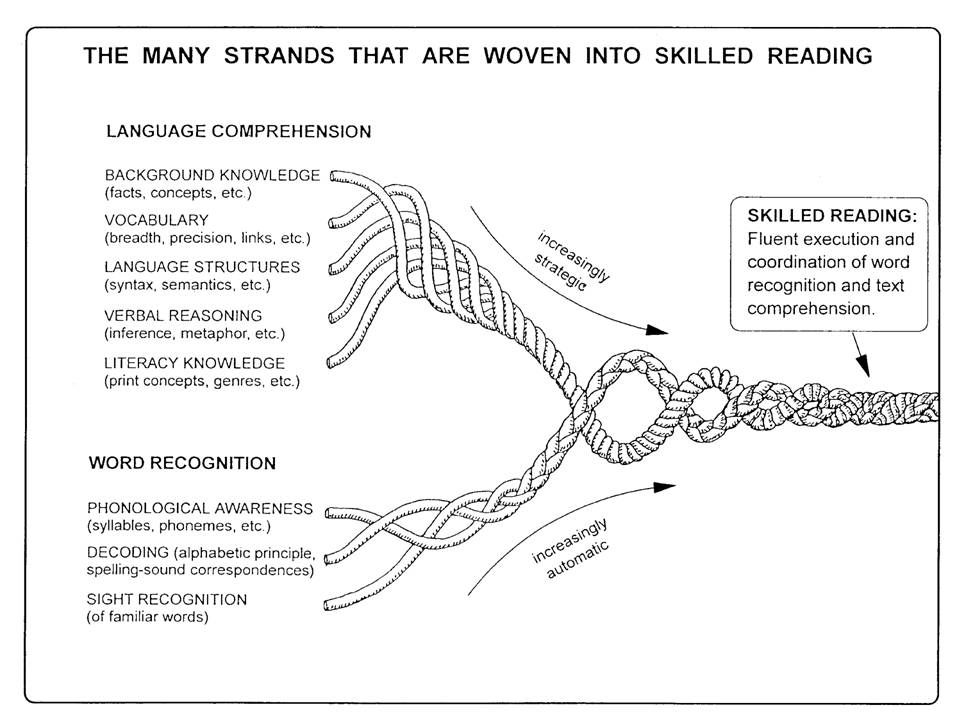
Weaving a Strong Reading Rope: Why All 5 Strands Matter
For older students who are still developing foundational reading skills, addressing all five strands of the reading rope is crucial. Neglecting any one of these areas can hinder their progress and create a frustrating cycle of failure. By providing comprehensive and targeted instruction in all five areas, we can empower older struggling readers to catch… Read more

 Teen Foundations: Foundational Skills for Older Students