
I’ve always been fascinated by the power of stories to capture our imagination and transport us to new worlds. But I’ve also learned that the power of non-fiction, content-area texts can be just as transformative, especially for middle grades learners.
Why Content Area Texts Matter
- Relevance and Engagement: Content-area texts tap into students’ natural curiosity about the world around them. Whether it’s exploring the mysteries of ancient Egypt, delving into the workings of the human body, or understanding the impact of climate change, these texts provide real-world connections that make learning meaningful and engaging.
- Vocabulary and Background Knowledge: Content-area texts expose students to a wealth of new vocabulary and concepts, building their background knowledge and preparing them for future learning.
- Critical Thinking and Problem-Solving: Non-fiction texts often challenge students to think critically, analyze information, and draw conclusions based on evidence. This helps them develop essential problem-solving skills that are applicable across all subject areas.
- Preparation for the Real World: In the 21st century, the ability to read and understand complex texts is more important than ever. Content-area texts help students develop the literacy skills they need to succeed in college, careers, and beyond.
Integrating Content Area Texts into Your Classroom
When integrating content-area texts into your classroom, offering a wide range of topics and text types is key to catering to different interests and learning styles. Be sure to include articles, biographies, infographics, primary sources, and more to keep students engaged and curious.
To further enhance learning, encourage students to engage actively with the text by taking notes, highlighting key ideas, asking questions, and discussing their thoughts with others. This interactive approach fosters deeper understanding and critical thinking skills.
Don’t limit content-area texts to just one subject. Integrate them into other subjects to reinforce learning and make connections across disciplines. For example, use a historical article in a social studies class, a scientific article in a science class, or a news article in a current events discussion.
Remember that every student is different. Provide a variety of texts at different reading levels to meet the needs of all learners. Offer additional support for struggling readers, such as pre-teaching vocabulary or providing graphic organizers, to ensure everyone can access and benefit from the content.
Introducing Content Connections
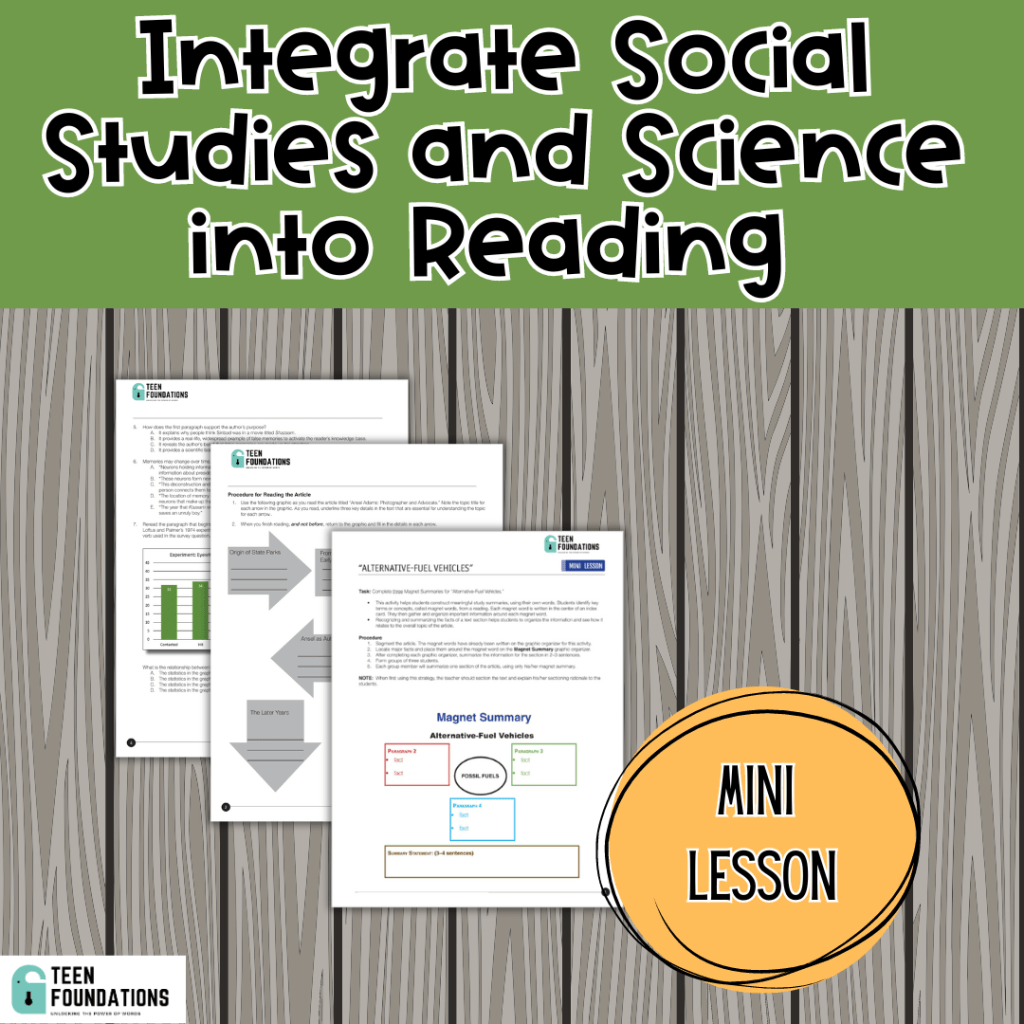

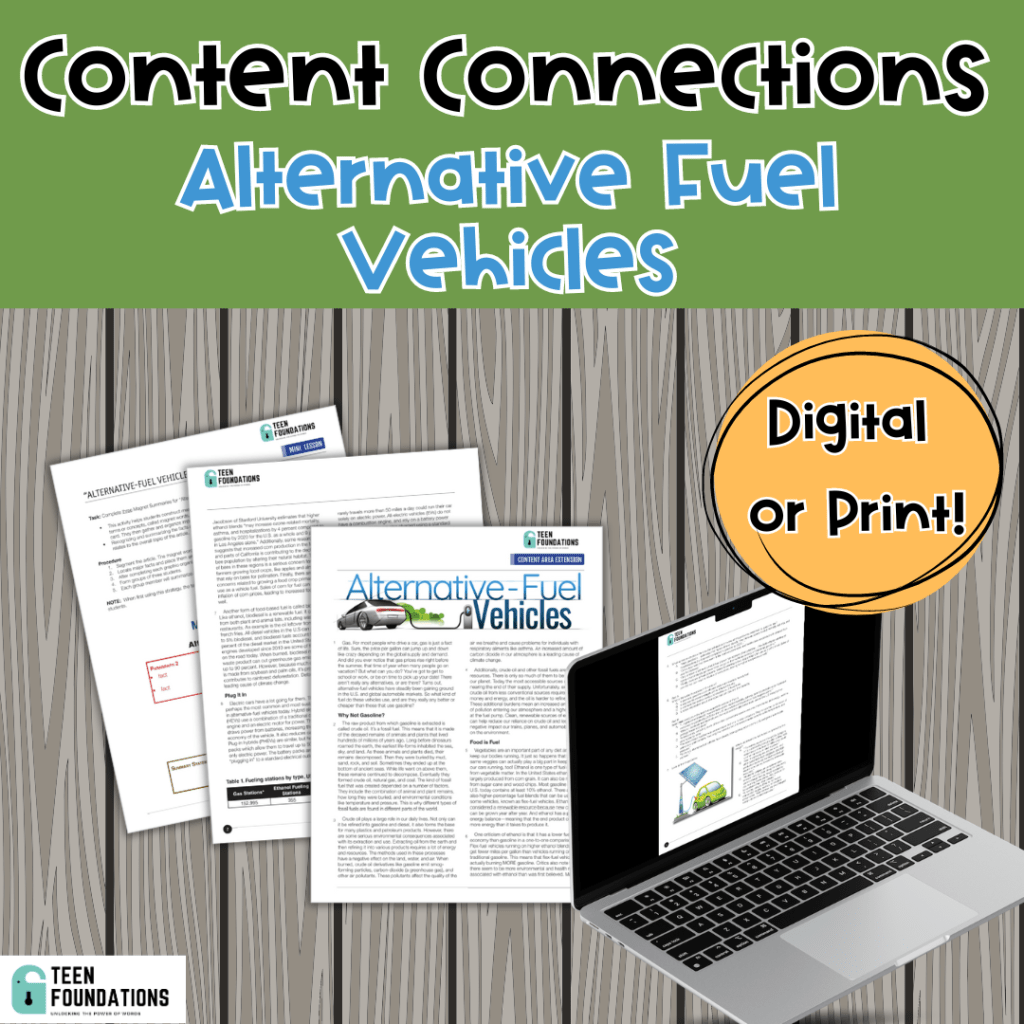

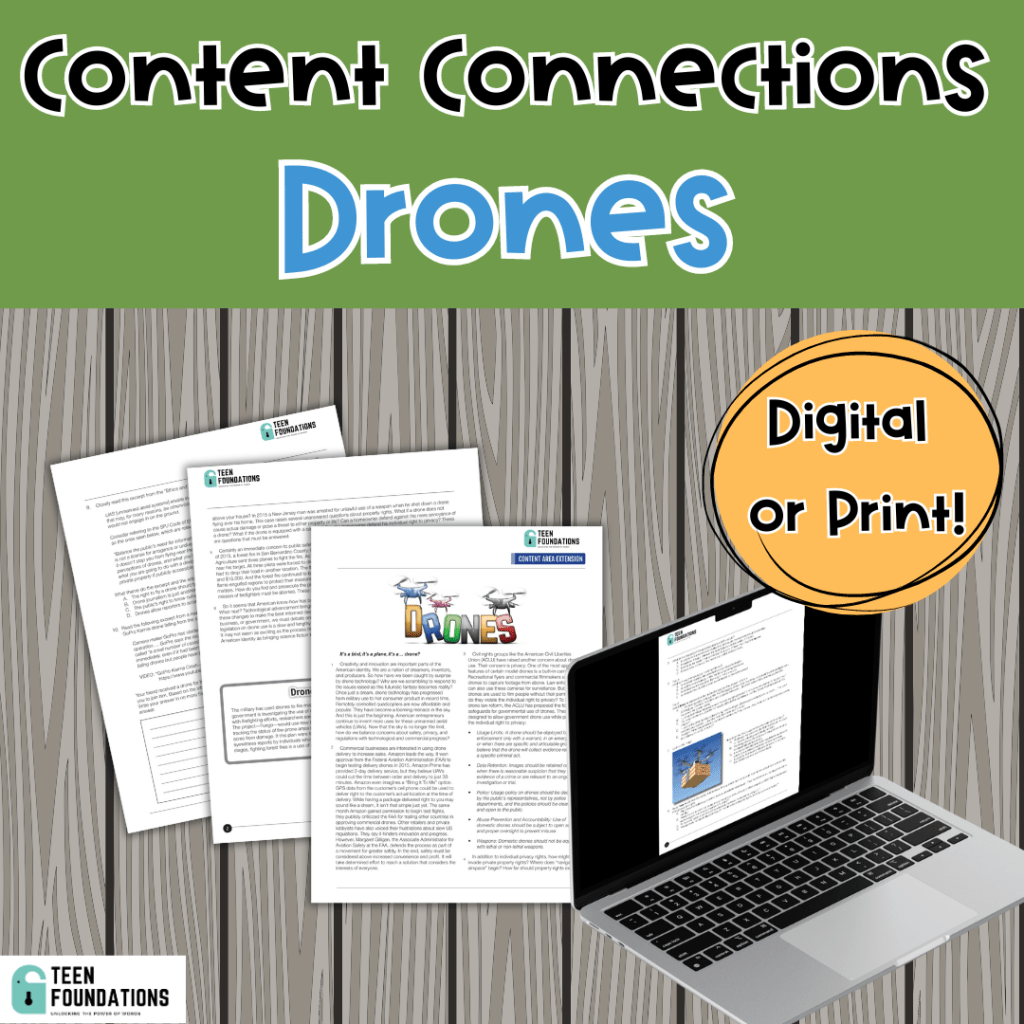
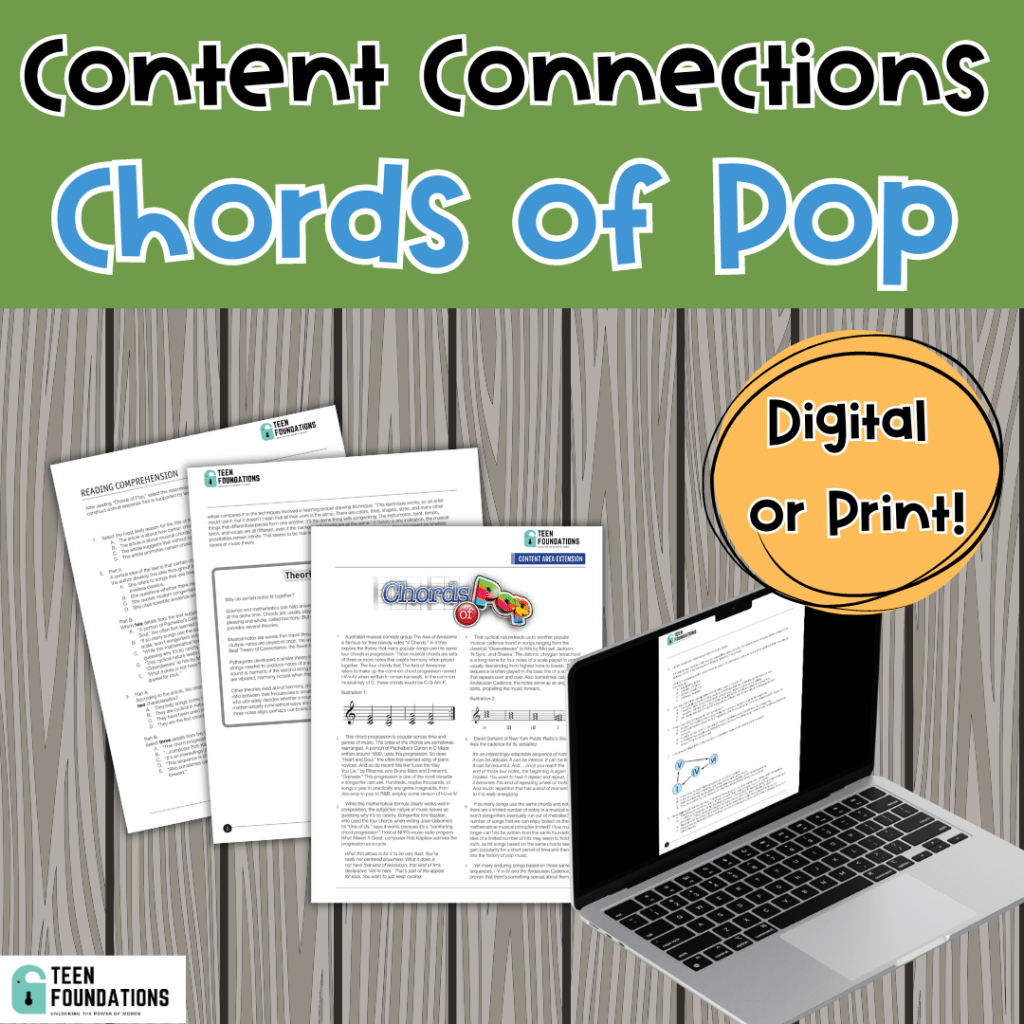
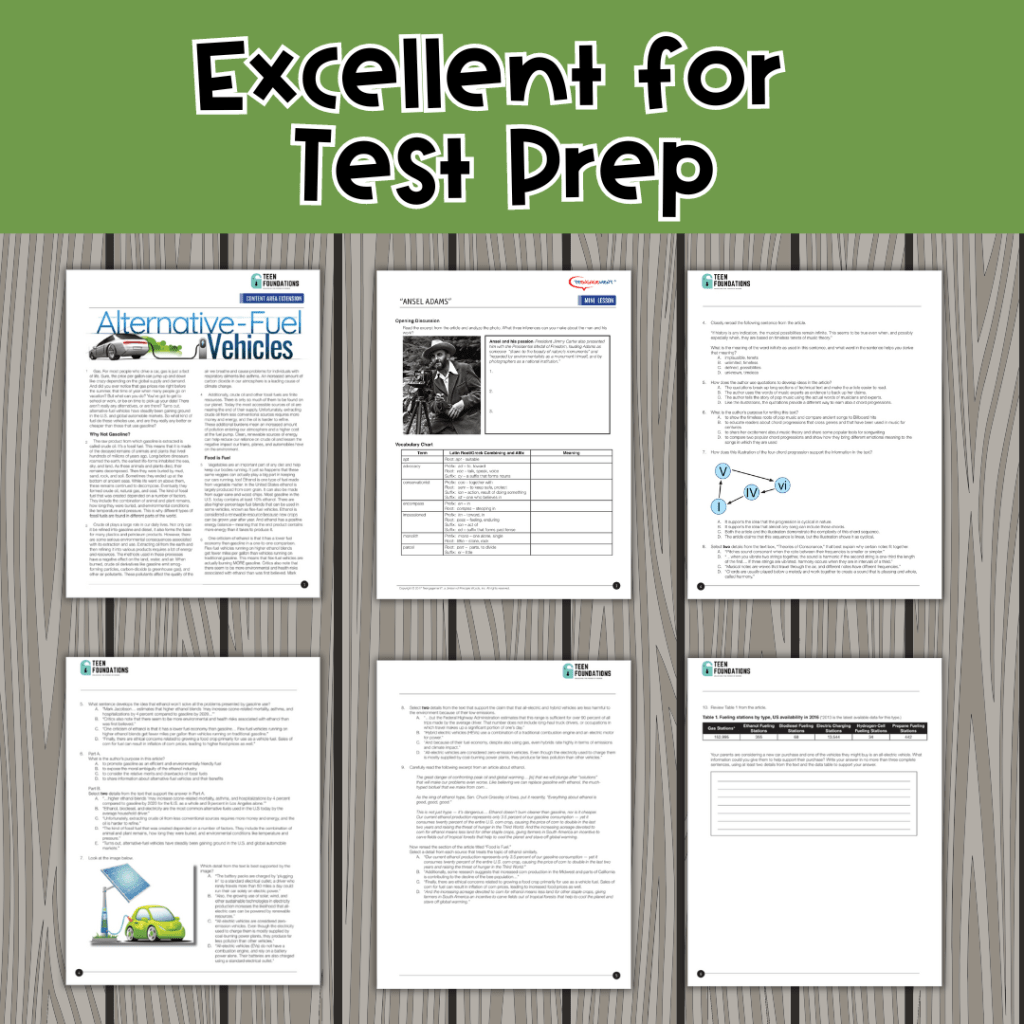
Content Connections is a series of high-interest, non-fiction articles paired with targeted questions and mini-lessons that focus on reading strategies, vocabulary building, and test-taking skills. From Drones to Pop Music to Athletic Training, the articles and questions cover a wide range of topics that spark curiosity and ignite a passion for learning. Content Connections are designed to make learning fun and relevant for students in grades 3-9, while giving them the practice they need to succeed on assessments.
Unlock the Power of Content Connections

If you’re looking for a comprehensive resource to help you incorporate engaging content-area texts into your classroom, I highly recommend the Content Connections Growing Bundle. This collection of high-interest articles, targeted questions, and mini-lessons is designed to boost reading comprehension, vocabulary, and test-taking skills in students in grades 3-9. With its flexible format and focus on essential skills, Content Connections is the perfect tool for teachers, tutors, and parents alike.
Visit my TpT store, Teen Foundations, to learn more about Content Connections and how it can transform your students’ learning experience.
 Teen Foundations: Foundational Skills for Older Students
Leave a comment